Perfect Juicy Chicken Breast Recipe
You know that sigh of relief when a weeknight dinner actually turns out perfectly? That’s what this chicken breast recipe delivers: crisp golden sear, tender interior, and a quick pan sauce that feels restaurant-level but takes under an hour. You’ll learn a simple salt-and-rest technique, how to get a proper sear without drying the meat, and a lemon-mustard pan sauce that pulls everything together. This method works whether you’re cooking for picky kids, packing lunches, or impressing friends—plus I share swaps and ways to meal-prep it ahead.
Advertisement
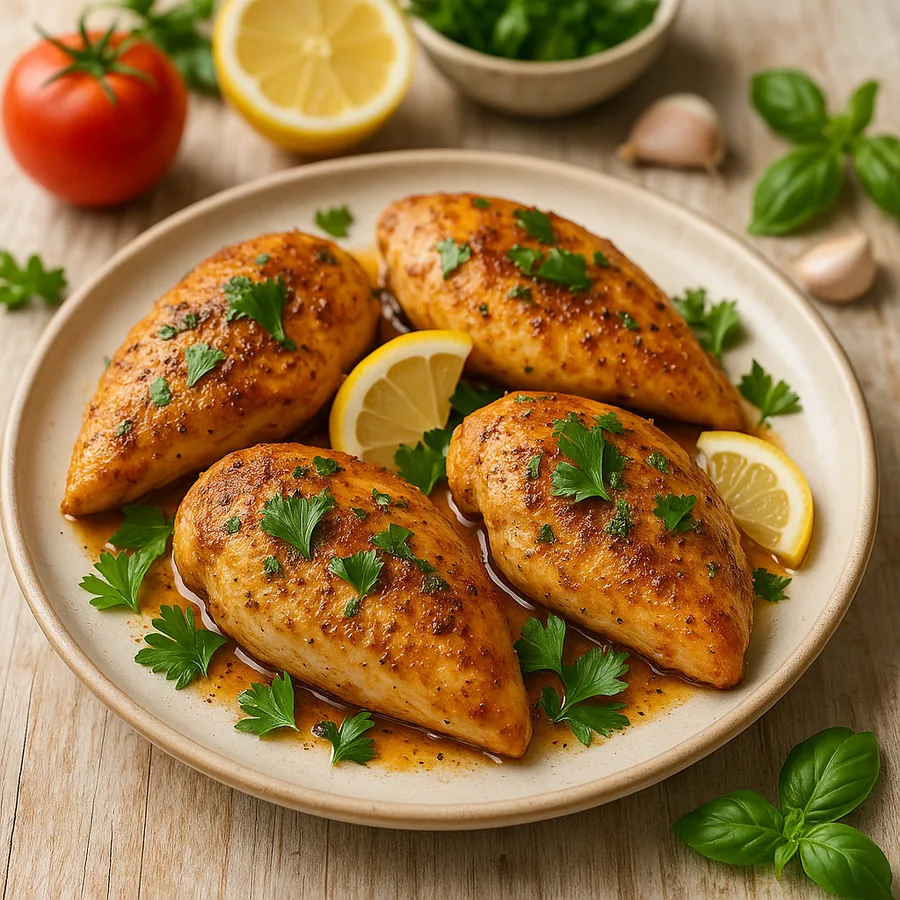
Why You'll Love This Recipe
Why You'll Love This Recipe: It’s fast—about 30 minutes from start to finish—perfect for busy weeknights. It’s reliably juicy because we salt and rest the breasts, then use a hot pan and an oven finish so the outside gets that golden crust without overcooking. The pan sauce is pantry-friendly (Dijon, chicken broth, lemon) and turns leftovers into something exciting. Finally, it’s flexible: double the sauce to serve over grains, or scale down for two—very forgiving for home cooks.
Perfect Juicy Chicken Breast Recipe
By JJ Communication Test Kitchen
Ingredients
Directions
-
1Salt the breasts evenly with 1 teaspoon kosher salt and half the pepper, then set them on a plate for 15 minutes at room temperature. This rest seasons the meat through and helps relax fibers so the chicken cooks more evenly and stays juicier.
-
2Preheat your oven to 400°F and heat a large ovenproof skillet over medium-high heat for 2–3 minutes. Get the pan hot—when a drop of water sizzles and evaporates instantly, it’s ready to sear rather than steam the chicken.
-
3Rub the chicken lightly with olive oil and sprinkle garlic powder and smoked paprika. Place each breast in the hot skillet, smooth-side down, and don’t move them for 3–4 minutes. You’re aiming for a deep golden-brown crust before flipping.
-
4Flip the breasts, add 1 tablespoon butter to the pan, and baste the tops with the melted butter for 30–45 seconds. Transfer the skillet to the 400°F oven and roast 6–10 minutes, depending on thickness, until an instant-read thermometer reads 155–160°F.
-
5Remove the skillet from the oven and transfer the chicken to a cutting board; tent loosely with foil and rest 5–8 minutes. Carryover cooking will bring the internal temperature to 165°F while juices redistribute, keeping the meat tender.
-
6While the chicken rests, place the skillet back on medium heat, add the remaining butter, and pour in chicken broth to deglaze, scraping browned bits with a wooden spoon. Let it reduce 1–2 minutes to concentrate flavors.
-
7Stir in Dijon, honey, lemon zest, and juice; simmer 1–2 minutes until the sauce thickens slightly. Taste and adjust salt or honey—this quick pan sauce should be bright, slightly tangy, and smooth enough to coat a spoon.
-
8Slice the chicken against the grain and drizzle the pan sauce over the top, garnish with thyme. Serve immediately over rice, a salad, or roasted veggies so the sauce can mingle with the sides.
📌 Ingredient Notes & Substitutions
💡 Chef's Tips for Success
- If breasts are uneven, butterfly or pound them to 1/2-inch thickness so they cook uniformly; this prevents overcooked edges and undercooked centers.
- Use an instant-read thermometer (leave it in the thickest part) and pull chicken at 155–160°F to hit 165°F after resting; guessing often leads to dryness.
- Don’t overcrowd the pan when searing; leave space between pieces so steam escapes and you get a proper brown crust.
- Finish the sauce with a small cold pat of butter off-heat to make it glossy and smooth—this emulsion adds richness without extra cooking.
- If you want crispier edges, turn the broiler on for 1–2 minutes after roasting, watching closely so it doesn’t burn.
Nutrition Facts Per Serving
Advertisement
Ingredients & Key Substitutions
This recipe leans on simple pantry staples: chicken breasts, kosher salt, olive oil, butter, chicken broth, Dijon, honey, and lemon. Kosher salt seasons without overpowering; Dijon and lemon give the quick pan sauce its bright lift. If you need lower sodium, swap low-sodium chicken broth and cut the added salt by half. For oil, avocado oil or light olive oil work best for searing; extra-virgin adds flavor but can smoke at very high temps. Want a gluten-free version? All listed ingredients are naturally gluten-free—just check your Dijon label (some brands use wheat). If you need dairy-free, replace butter with 2 tablespoons neutral oil and finish with a teaspoon of olive oil for sheen.
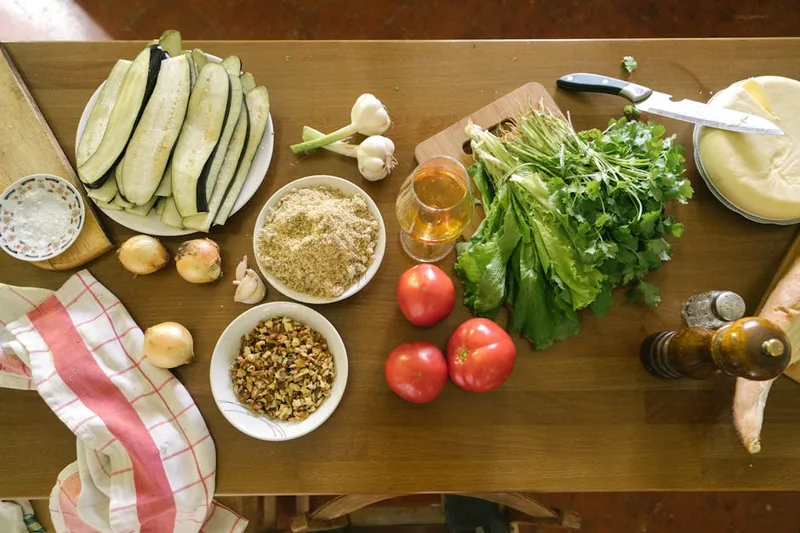
How to Make Perfect Juicy Chicken Breast Step by Step
Start by seasoning and letting the breasts rest so salt redistributes, which keeps them juicy. Preheat the oven (400°F) while you heat an ovenproof skillet to get that sear. Sear 3–4 minutes per side to build color, then finish in the oven until an instant-read thermometer hits 155–160°F. Rest 5–8 minutes to let carryover cooking finish the job. Make the sauce in the same pan to capture those browned bits—the deglaze with chicken broth, whisk in Dijon and lemon, then simmer briefly. Slice against the grain and spoon the sauce over the meat for maximum flavor and moisture.
Advertisement
Variations & Customizations
Spicy: add 1/2 teaspoon cayenne or 1 tablespoon sriracha to the sauce. Kid-friendly: skip cayenne and reduce lemon to mellow acidity, or serve sauce on the side. Slow-cooker: sear briefly, then add breasts with 1/2 cup broth and cook on low 2–3 hours—results are shred-ready, not seared. Air-fryer: preheat to 375°F and cook 10–12 minutes, flipping once for a crisp exterior. Vegetarian/Vegan adaptation: use thick cauliflower steaks or extra-firm tofu, sear and roast similarly, and make a vegan pan sauce with vegetable broth and vegan butter.
Storage, Freezing & Make-Ahead Tips
Cooked chicken breasts can keep in the refrigerator for 3–4 days in an airtight container. For freezing, cool completely, wrap each breast in plastic wrap, then place in a freezer bag for up to 3 months; label with date. To reheat, thaw overnight in the fridge, then warm gently in a 300°F oven covered with foil for 10–15 minutes or slice thin and warm in a skillet with a splash of broth to avoid drying. The pan sauce stores separately in the fridge for 3–4 days; gently reheat on low and add a splash of water if it’s too thick.
What to Serve With Perfect Juicy Chicken Breast
Serve over buttery mashed potatoes or fluffy basmati rice to soak up the pan sauce. Roasted vegetables like Brussels sprouts or green beans lend texture and color. A simple arugula salad with shaved Parmesan brightens the plate, while crusty bread (like a baguette from La Brea Bakery) is great for sopping sauce. For drinks, a crisp Sauvignon Blanc or a cold IPA pairs nicely. For casual family meals, add steamed broccoli and a lemon wedge for kid-friendly appeal.
Common Mistakes to Avoid
The top mistake is skipping the rest after salting—without it, the seasoning stays on the surface and the meat can be dry. Another is using too-low heat for searing; without high heat you won’t get a crust and the chicken steams. Overcooking is common: pull the chicken at 155–160°F, not 165°F, and rest to reach safe temps. Don’t forget to let the pan bits brown—those brown fond bits make the sauce flavorful. Finally, overcrowding the pan cools it down, causing soggy rather than crisp results.
Frequently Asked Questions
How long do I cook chicken breasts in the oven at 400°F?
For medium-thickness breasts, roast at 400°F for about 6–10 minutes after searing. Finish based on an instant-read thermometer: pull at 155–160°F and rest 5–8 minutes to reach 165°F. Thicker breasts may need a few extra minutes.
How do I keep chicken breast from drying out?
Salt and rest the breasts before cooking so they retain moisture. Sear over high heat to lock juices, then finish in the oven to cook evenly. Use an instant-read thermometer and stop at 155–160°F, resting to finish; that prevents overcooking.
Can I use frozen chicken breasts for this recipe?
For best results thaw fully in the refrigerator first—this ensures even cooking and browning. If you must cook from frozen, increase oven time and skip the sear or use an air fryer; note texture and sauce absorption will differ.
Is pan-searing and oven-finishing better than baking only?
Yes—searing creates Maillard browning and flavor that baking alone won’t. Oven-finishing ensures the interior cooks gently without burning the crust. Baking only can work but won’t give the same golden exterior or concentrated pan sauce.
How do I reheat leftover chicken without drying it out?
Reheat gently: slice thin and warm in a skillet with a splash of broth over low heat, or cover with foil and bake at 300°F for 10–15 minutes. Microwaving works but use short bursts and a splash of liquid to keep moisture.